
What is a Wart?
Learn what a wart is and how to avoid them.
Warts are skin growths on the top layer of skin that are caused by the human papilloma virus (HPV). This creates benign thickening of the skin and is inconvenient, especially if it happens in a visible place.
Children are most susceptible to warts because they get a lot of cuts. Still, anyone can get warts. People with weakened immune systems, such as those with autoimmune disease and the elderly, are also susceptible to the HPV virus that causes warts.
The virus spreads through direct skin contact and contact with damp floors such as swimming pools, exercise rooms, showers or changing rooms. Hence, most warts are found under feet and on the hands. Good hygiene is important to prevent contamination as much as possible. Family members of someone with a wart are at greater risk to come in contact with the virus, for example, through a shared towel or a door handle.
Scratching or nail biting increases the chance of spreading on one's own body. It is important to start treatment on a wart quickly to avoid new warts from developing and to prevent the distress that comes with warts.
Types of Warts
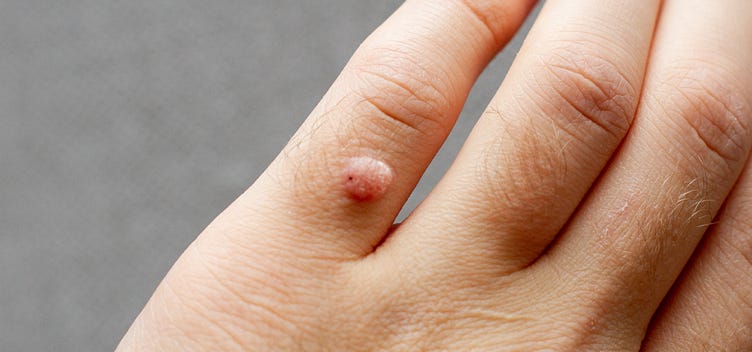
Common Warts (Verruca vulgaris)
These warts are small, usually round and rough and have a "cauliflower-like", dome shaped appearance. They are usually found on the hands, elbows, and knees. Use one of the Wart-Off range products to treat this wart.
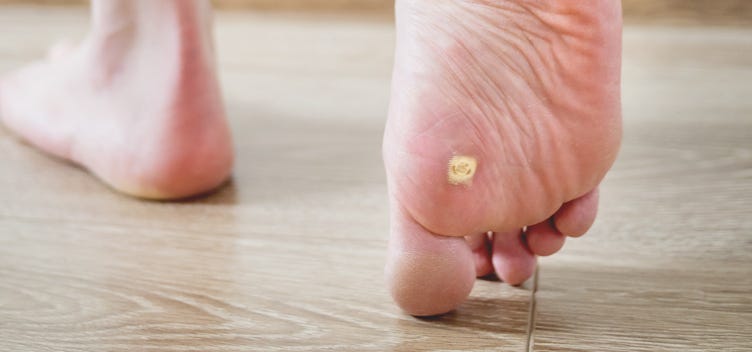
Plantar Warts (Verruca plantaris)
These warts occur on the bottom of soles of the feet. They sometimes have visible dark specks beneath the surface. They are flat because of walking and standing and can be painful. Use one of the Wart-Off range products to treat this wart.
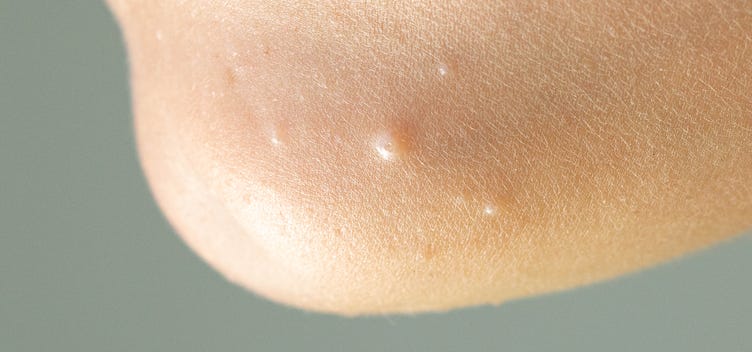
Water Warts (Molluscum contagiosum)
These warts are caused by a pox virus and not HPV, and does not have to be treated. To protect an inflamed wart, a plaster will suffice. You can squeeze a wart, but this may cause a scar. You could also use Wart-Off Freeze to treat this wart.
Frequently Asked Questions
What is a Plantar Wart?
Plantar warts form on the soles of the feet, often with dark specks. Pressure from walking can make them flat and painful.
What is a Common Wart?
Common warts are small, rough, dome-shaped warts on hands, elbows, and knees.
What is a Water Wart?
Water warts are caused by a pox virus, not HPV. They do not need to be treated, but they can be addressed by some products like wart-off freeze.
Are warts contagious?
Yes, warts can be contagious, and they can be spread by direct or indirect contact.
How can I prevent warts?
You can avoid warts by avoiding direct contact with warts, keeping your skin clean and dry, wearing footwear, and generally practicing good hygiene.